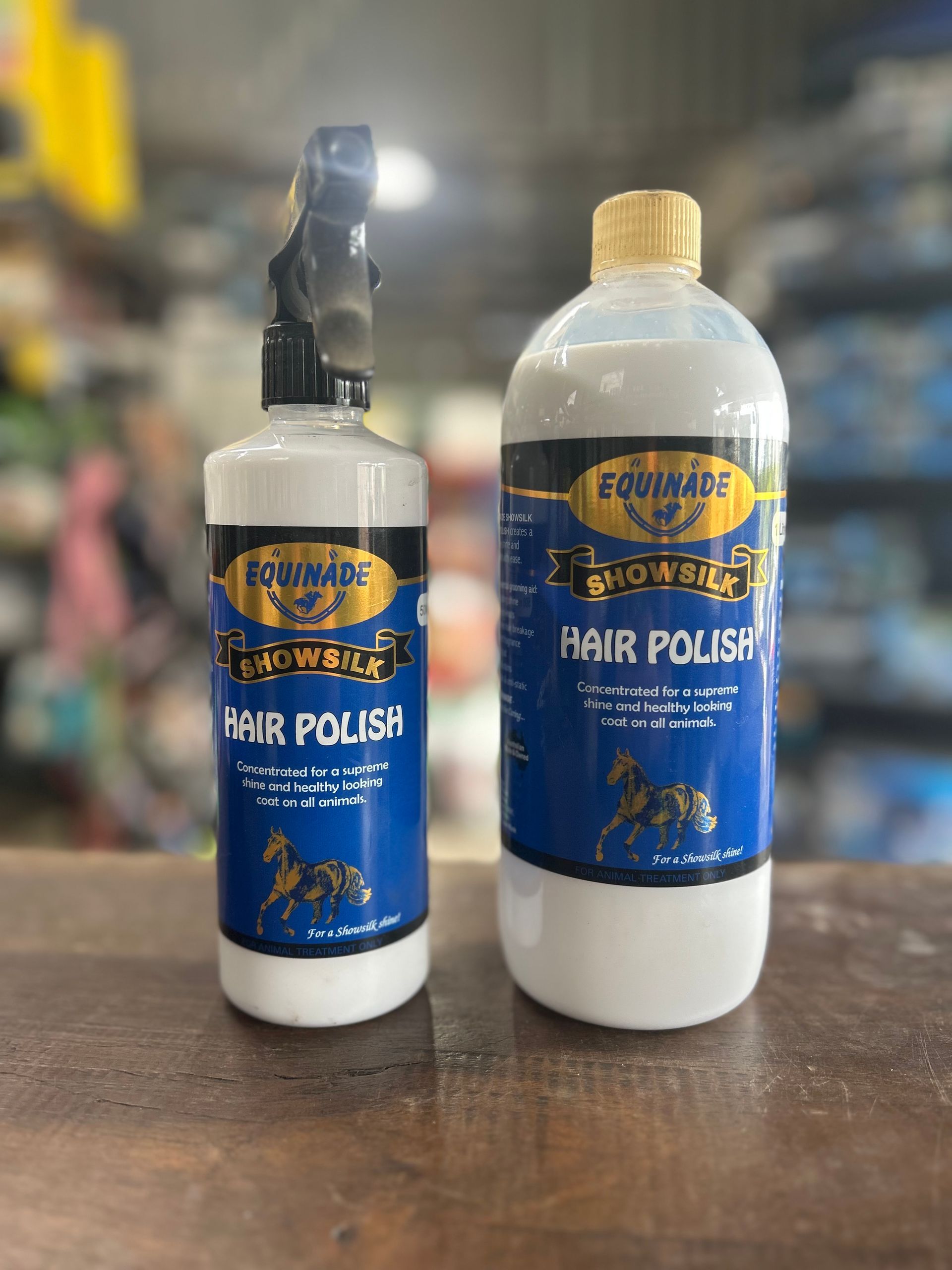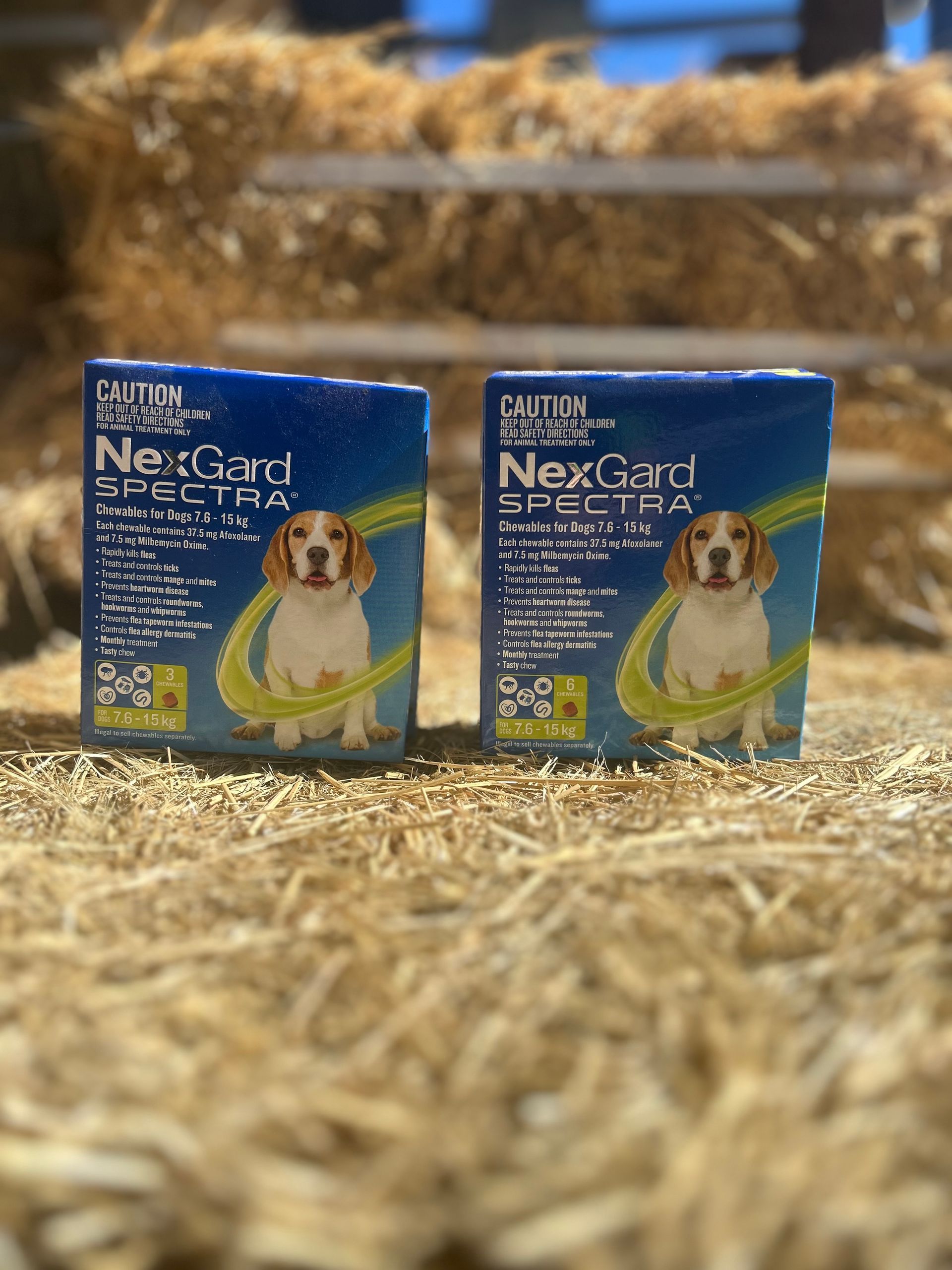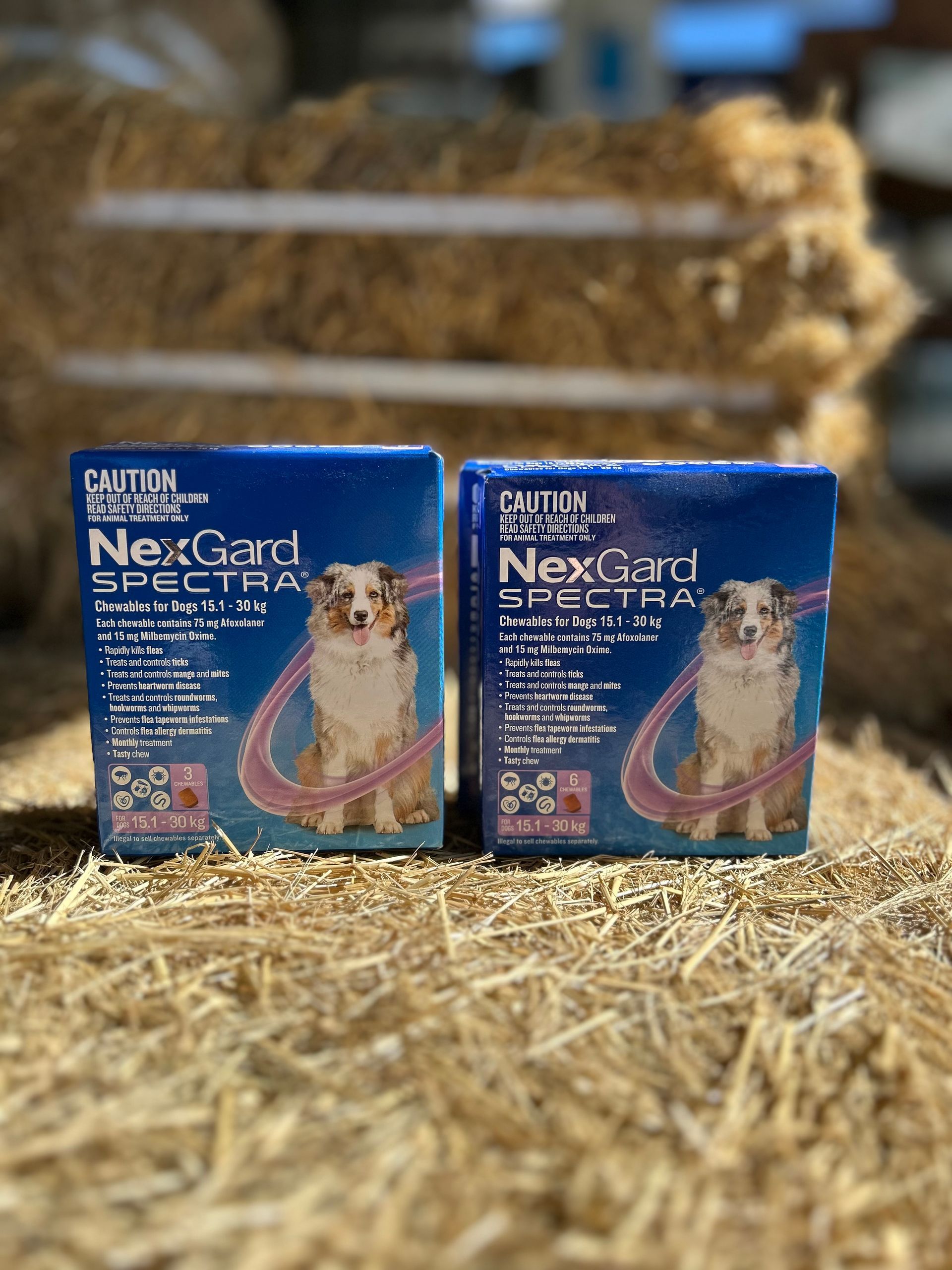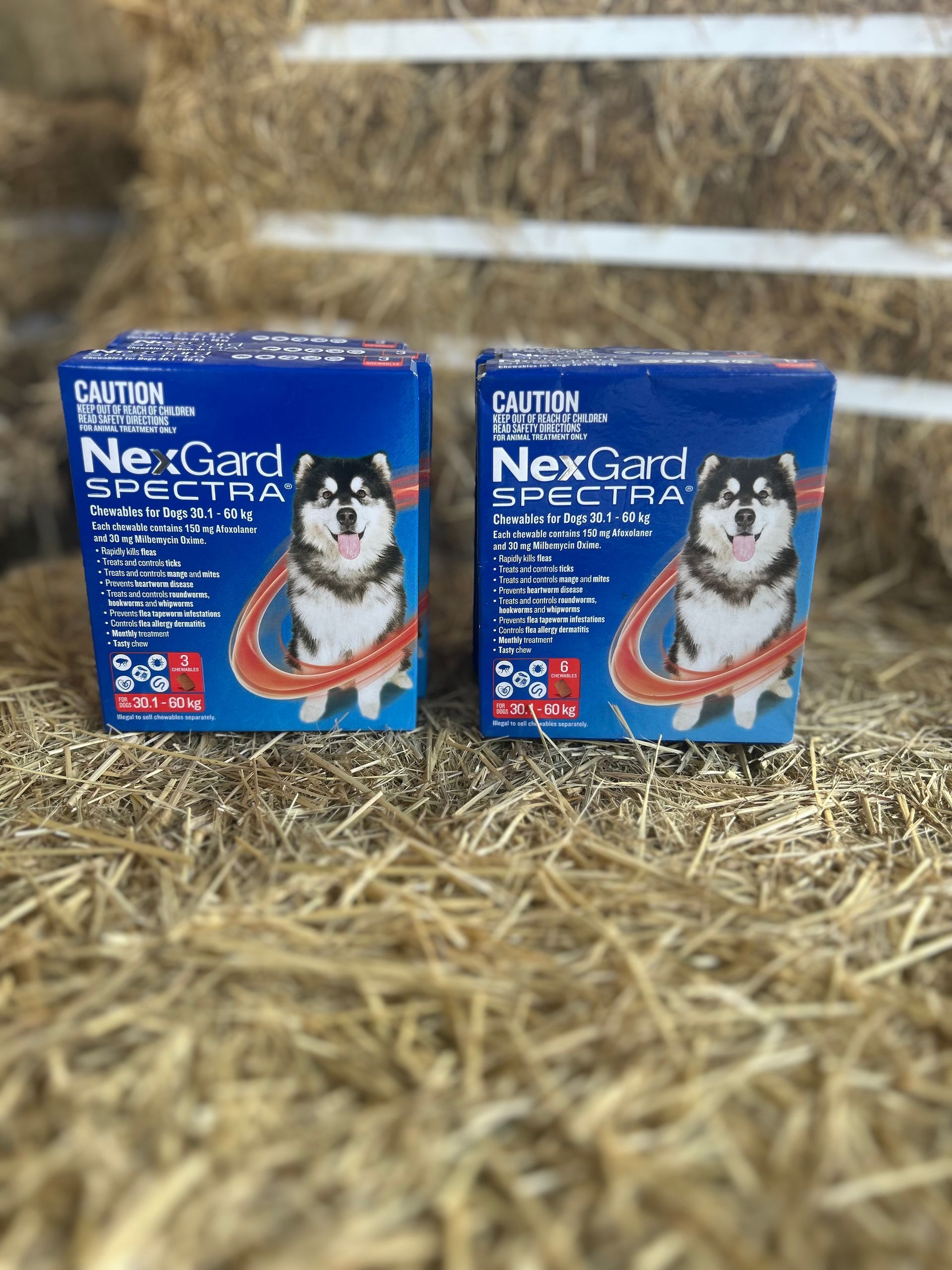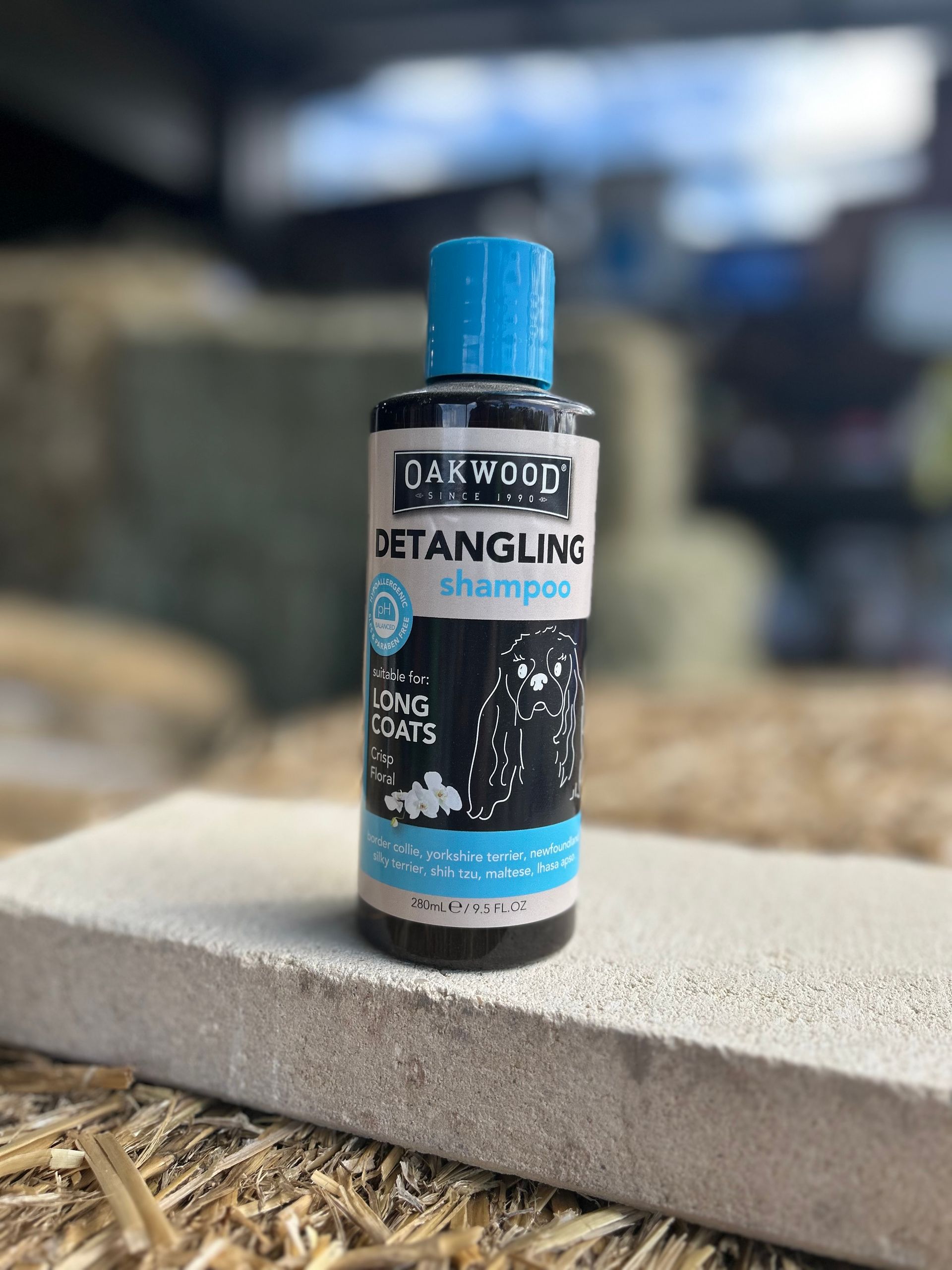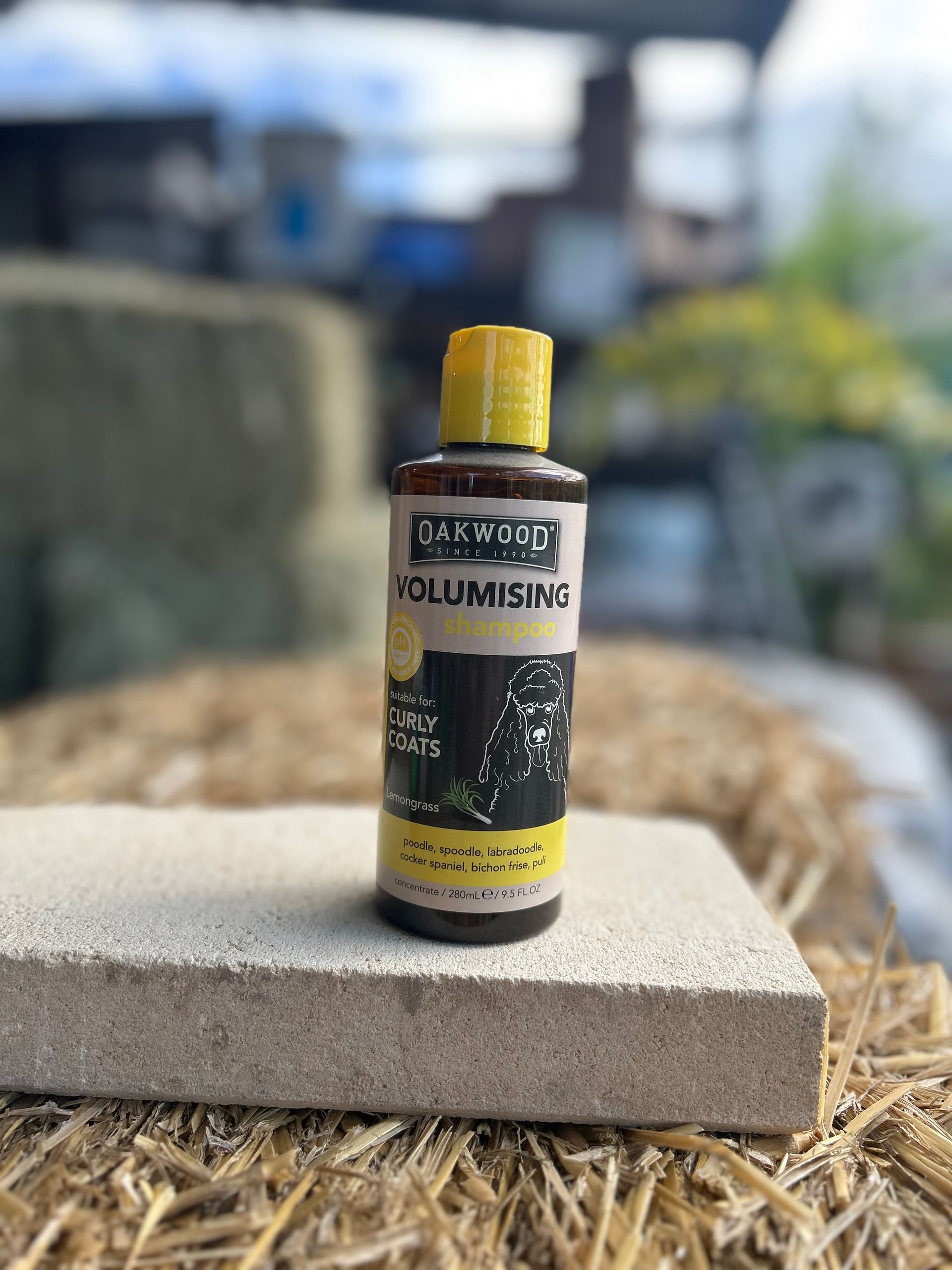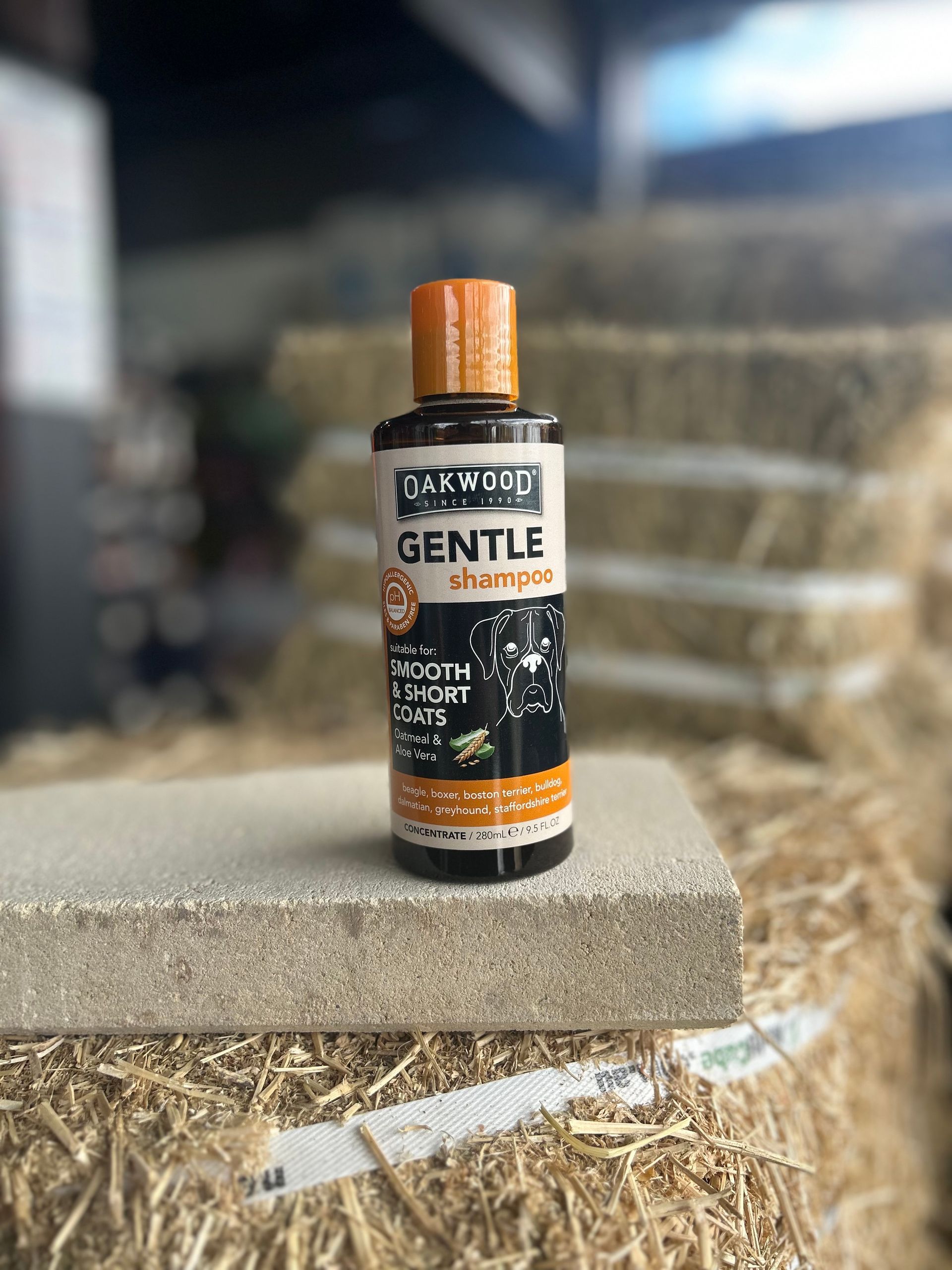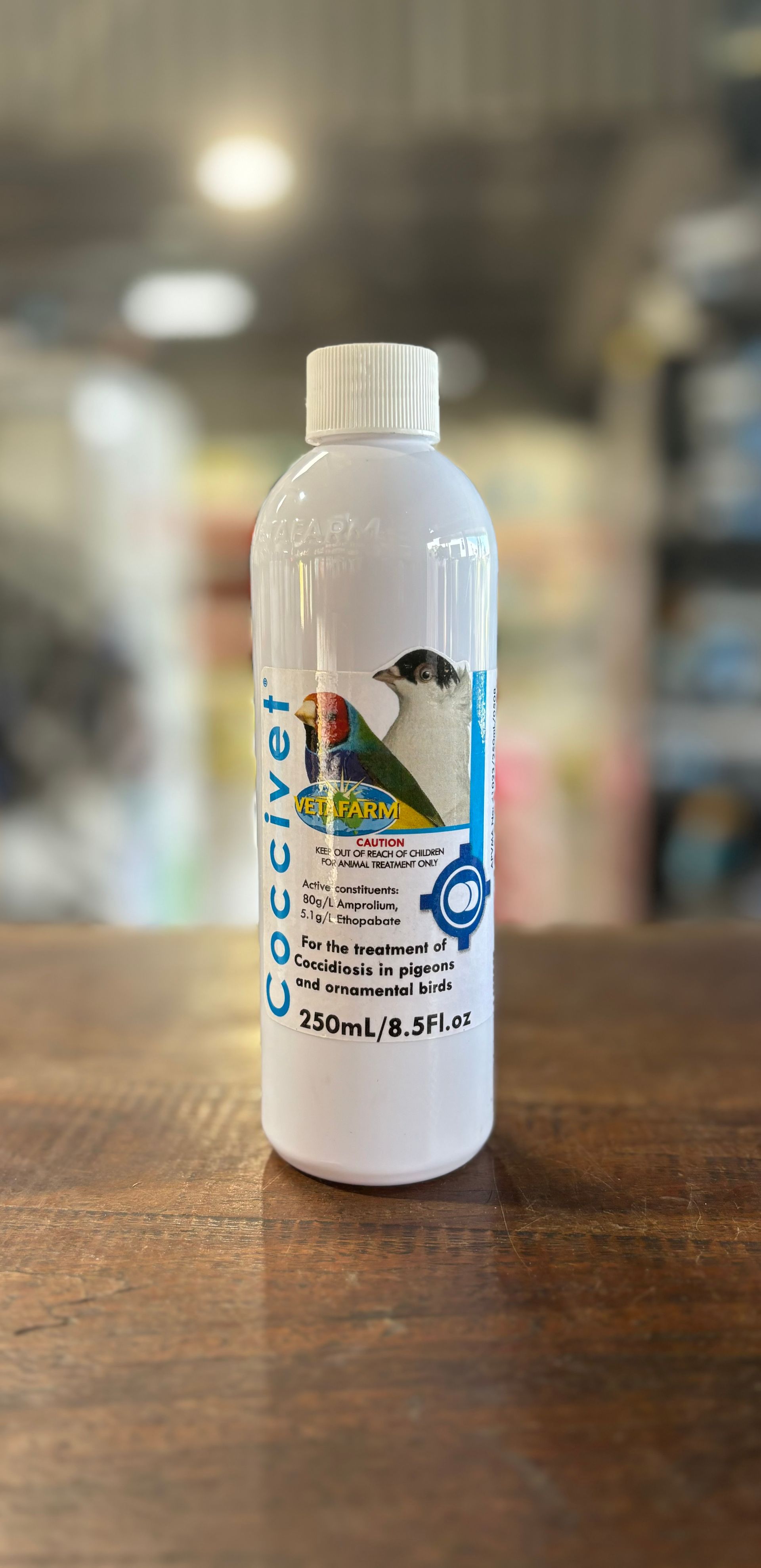
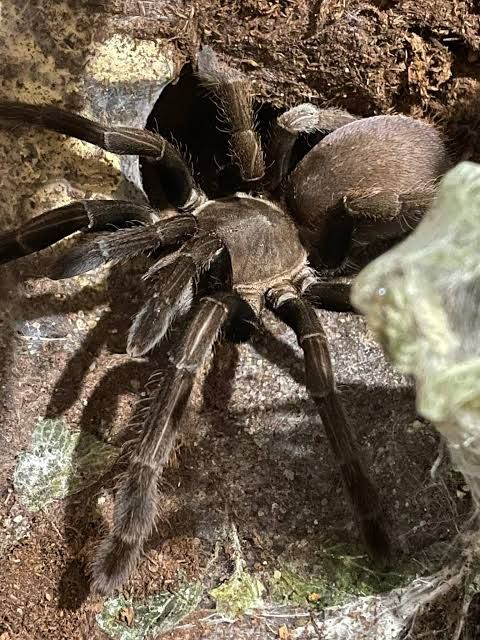
Brand:
Food: Live or fresh dead insects. Crickets and cockroaches are ideal. Insects
1/3 of the size of your spider are an ideal size. Feeding once or twice a week
is recommended, but young spiders will feed more often when they are
growing. Remove live insects from your enclosure if your spider is not hungry.
Water: You can offer your spider a moist sponge within a dish (such as a bottle
top) for water, however, if the substrate is kept moist the spider will rarely
require additional water.
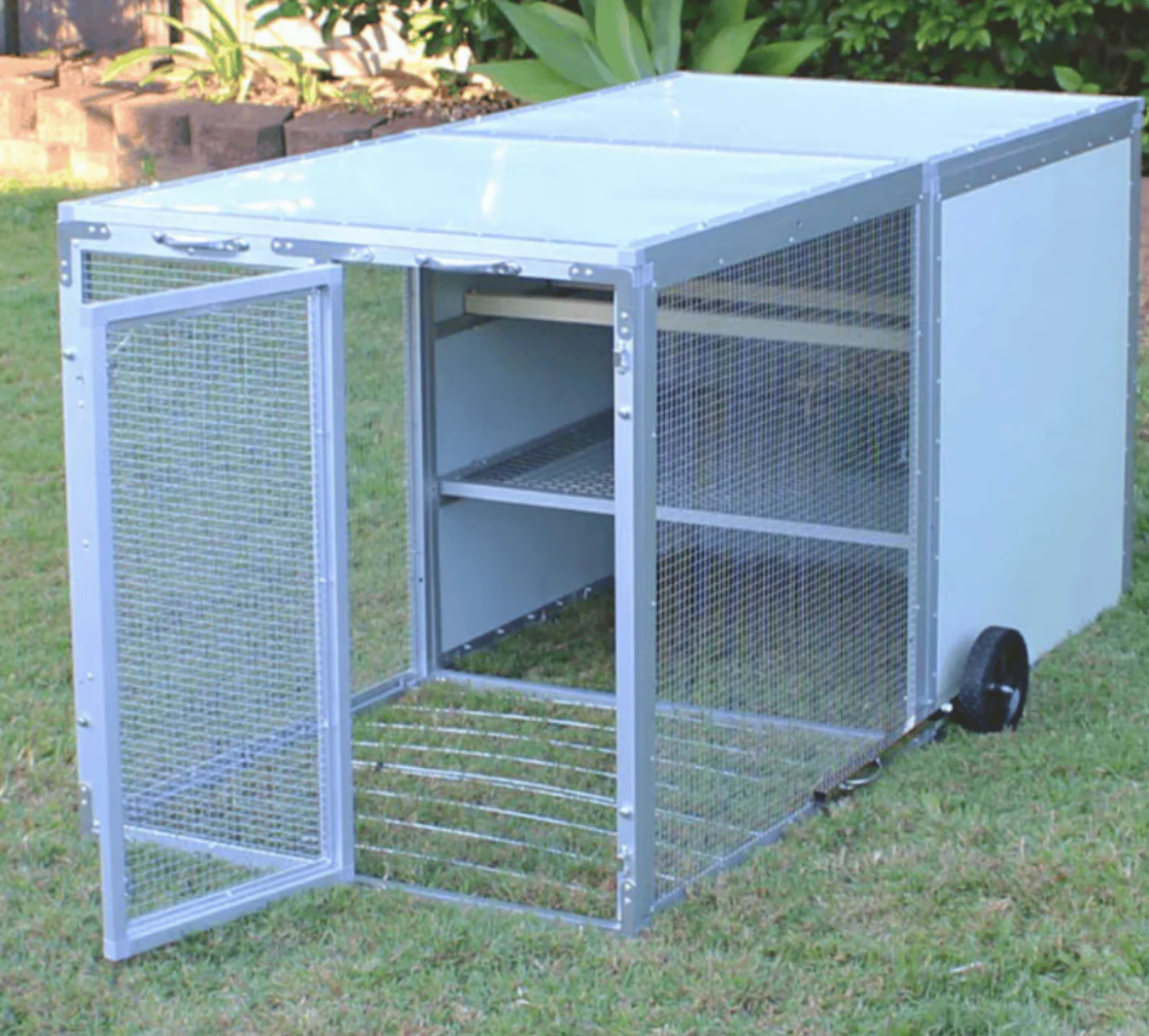
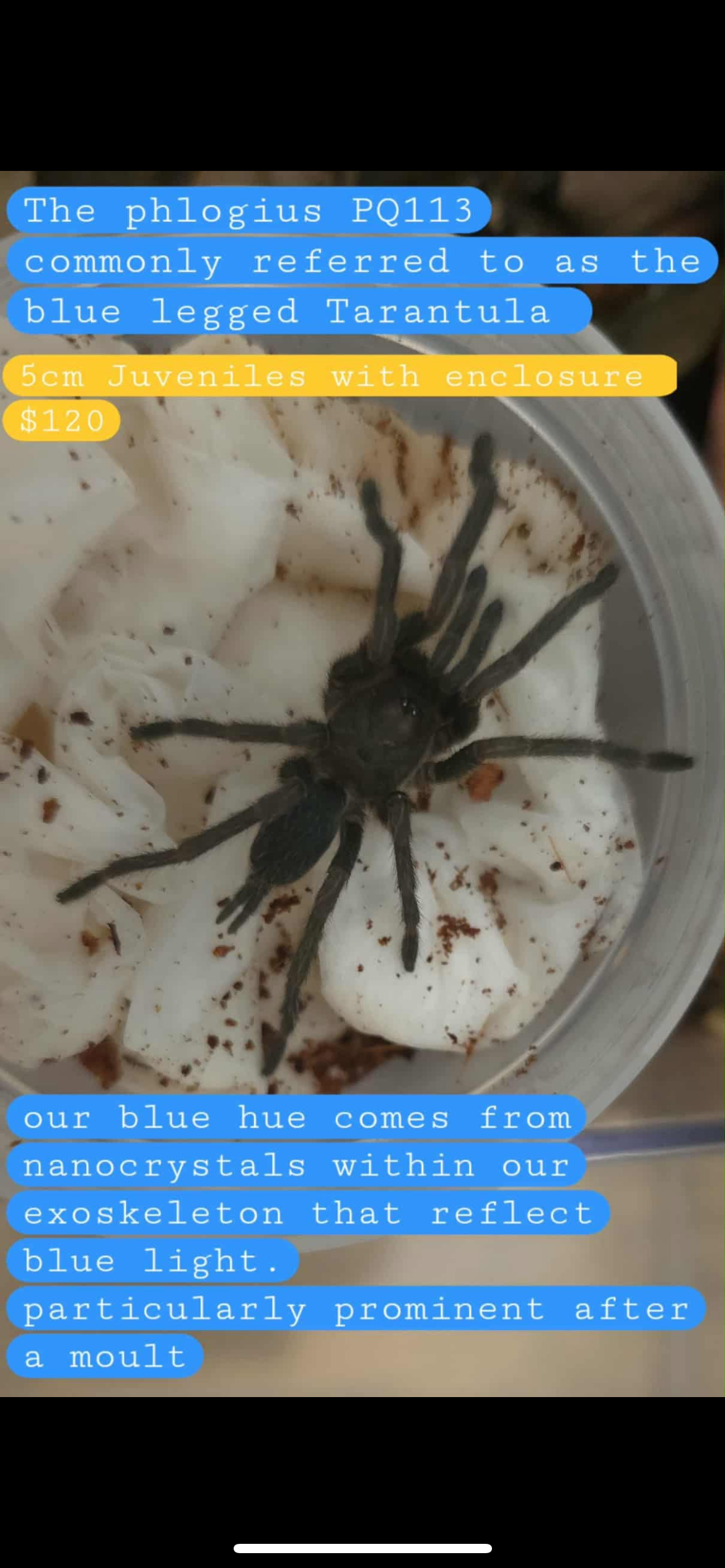
Enclosure: Despite their size, tarantulas do not require large enclosures. An
adult can be housed comfortably in an enclosure with a floor space of 30cm
x 30cm. Enclosures need to be secure, with secure lids. Glass or acrylic
terrariums are ideal, and plastic storage tubs are also suitable. Ventilation is
important, and any mesh used should be aluminium, as adult spiders can
easily tear through fibreglass fly mesh.
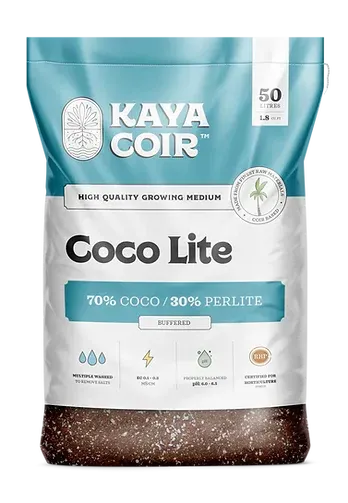
Coco-peat is an ideal substrate, and ideally should have a moisture gradient
(a dry end and moist end to the enclosure). This should be deep enough to
allow your spider to create a retreat (several centimetres). Additional objects
(bark etc) may be added to allow your spider to construct a retreat beneath
them.
Temperature: These spiders will be most active at temperatures of 20 – 26°C,
but will tolerate 10 – 20°C seasonally. They can tolerate temperatures below
10°C for brief periods, but avoid higher tmeperatures as heat stress can be
leathal.
Humidity: To prevent dehydration, these spiders require relatively high
humidity (60-80%). This can be maintained by keeping the substrate moist.
Life span: 5-10 years.
Handling: Direct handling is not recommended. Adults are heavy and a fall
can easily injure them or kill them. Although these spiders are not dangerously
venomous, adults do have large fangs and could give a painful bite. If you
need to transfer them, they can be easily guided into a jar or plastic
container.